

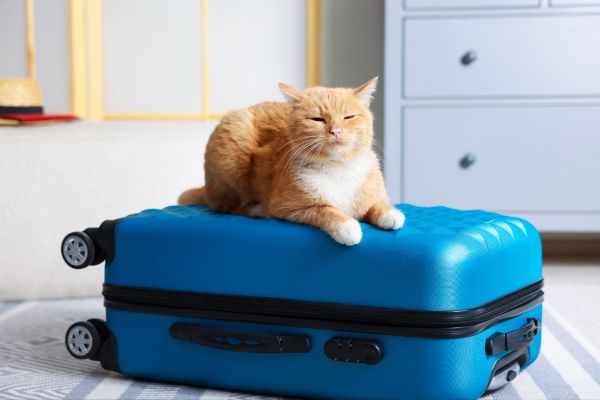
Travel feels different when a pet comes along. Every stop takes longer, every hotel room needs a quick inspection, and even a short journey requires more thought than it would otherwise. Yet for many people, leaving a beloved animal behind feels harder than managing the extra planning.
Traveling with pets can be joyful, chaotic, tiring, and surprisingly emotional. A dog may treat every roadside break like a grand adventure. A cat may spend the first hour complaining loudly, then quietly settle into a blanket as if nothing happened. Small animals often require even more careful handling because changes in temperature, noise, and routine can affect them quickly.
The experience is rarely perfect. That is part of what makes it memorable.
The Journey Begins Before Departure
A successful trip with an animal usually begins long before the car starts or the airport comes into view. Pets cannot understand a departure date, but they notice suitcases, unusual activity, and changes in routine. Some become excited. Others become anxious before the journey has even started.
Preparation helps reduce that stress. Familiar bedding, food, medication, identification details, and a secure carrier or harness can make an unfamiliar environment feel slightly more manageable. Owners also need to think about rest stops, weather conditions, accommodation rules, and access to veterinary care.
Still, preparation is not only about packing. It is about understanding the individual animal.
One dog may happily sleep through a six-hour drive. Another may become restless after twenty minutes. A confident cat at home may freeze inside a busy station. A usually calm pet may react differently when surrounded by strange smells and movement.
Real experience teaches an important lesson: the animal’s personality matters more than general assumptions.
The First Hour Can Tell You Everything
The beginning of a journey often reveals how the rest of the day may unfold.
Some pets settle almost immediately. They curl up, watch the passing scenery, or rest their head against the side of a carrier. Others protest. There may be barking, whining, scratching, nervous panting, or a determined attempt to climb into the driver’s lap.
The first hour can feel long when an animal is uncomfortable. Owners may question the entire decision. Was bringing the pet a mistake? Will the anxiety continue for the whole trip?
Often, things improve once movement becomes familiar. Pets begin to recognize the rhythm of the road. The sounds stop feeling new. A short break, a drink of water, or a few quiet minutes can help.
Sometimes the opposite happens. A pet that seems calm at first becomes restless later. That is why traveling with pets requires attention throughout the journey, not just at departure.
Road Trips Create Their Own Routine
Road travel is often the easiest way to bring an animal along because it offers control. Stops can be adjusted, familiar items can be packed, and the environment is more private than a plane or train.
Even so, road trips develop a rhythm of their own.
A normal two-hour drive may become three hours because of walking breaks, feeding times, and unexpected delays. Owners learn to notice small signals. A dog staring at the door may need a break. A cat shifting repeatedly inside a carrier may be too warm. Silence can be peaceful, but sometimes it means checking that everything is fine.
The best road trips are not rushed. They leave space for pauses.
These breaks are not always inconvenient. They may lead to quiet parks, empty fields, or roadside viewpoints that would otherwise be ignored. A pet forces the traveler to slow down and notice the route rather than simply passing through it.
That slower pace can make the journey feel more complete.
Air Travel Brings a Different Kind of Stress
Flying with an animal is usually more complicated. Rules vary by airline, destination, animal size, and route. Documentation, carrier requirements, health checks, and timing all become important.
The emotional experience can be difficult too.
Owners may worry about how the pet is coping with noise, unfamiliar handling, and long periods in a confined space. Even when the animal remains in the cabin, airports can be overwhelming. Rolling luggage, announcements, crowds, bright lights, and strange smells create an environment far removed from home.
Pets often respond to the owner’s emotional state. Calm handling can help, though pretending not to be nervous is easier said than done.
The most memorable moment sometimes comes after landing. A carrier opens, a familiar face appears, and the pet finally relaxes. The journey may have felt uncertain, but that small reunion brings immediate relief.
Finding Accommodation Is Only Half the Challenge
A hotel may describe itself as pet-friendly, but that phrase can mean many things. Some places welcome animals warmly. Others simply permit them under strict conditions.
The real challenge begins after check-in.
A pet must adjust to a room filled with unfamiliar sounds. Doors close in the hallway. Elevators move. People speak nearby. Cleaning carts pass outside. A dog that rarely barks at home may suddenly react to every noise. A cat may disappear behind furniture and refuse to come out.
Owners often spend the first few minutes making the room safer. They check windows, balconies, loose wires, hidden spaces, and anything that could be chewed or knocked over. Food and water are placed in a quiet corner. A familiar blanket can help create a small area that feels like home.
Gradually, many animals settle. They explore, choose a sleeping spot, and begin to relax. By the next morning, the room may already feel less strange.
New Places Look Different Through a Pet’s Eyes
Travelers usually focus on scenery, architecture, food, and local culture. Pets notice an entirely different world.
A dog is interested in the smells along a street, the birds in a park, and the sound of another animal behind a gate. A cat may be fascinated by a window overlooking unfamiliar rooftops. Even a simple patch of grass can become an important destination after a long journey.
This changes the owner’s experience too.
Traveling with pets often leads to quieter neighborhoods, open spaces, walking paths, and slower mornings. Instead of moving quickly between major attractions, people spend time outdoors and observe ordinary local life.
There may be conversations with other pet owners. A short walk can lead to recommendations about nearby parks or less crowded routes. Animals create easy introductions between strangers, even when the humans do not share the same language fluently.
The pet becomes part of the journey rather than simply a companion carried from place to place.
The Difficult Moments Are Real
Not every story is charming. Pets get sick, frightened, overtired, or difficult to manage. They may refuse food, make a mess in the wrong place, damage something, or react badly to another animal.
These moments can be embarrassing and stressful.
An owner may have to change plans, miss an activity, or spend hours finding help. A minor problem at home can feel much larger in an unfamiliar place. Even locating the right food or medication may become complicated.
Patience matters, but so does realism. Some animals do not enjoy travel, no matter how carefully it is arranged. Their stress may outweigh the benefits of bringing them along.
Loving a pet sometimes means recognizing that staying with a trusted caregiver would be kinder. Traveling together is not automatically the best choice for every animal.
Familiar Habits Bring Comfort
Pets depend heavily on routine. Travel disrupts that routine, but familiar habits can provide stability.
Feeding at roughly the usual time, taking regular walks, using the same bedding, and maintaining familiar cues can help an animal adjust. Even small rituals matter. A favorite toy before sleep or a quiet grooming session may signal that everything is safe.
Owners often discover that these routines help them too.
Travel can be tiring and overstimulating. Caring for a pet creates a simple structure. Morning walks encourage an early start. Feeding times create pauses. The animal’s needs bring attention back to the present moment.
There is something grounding about watching a pet settle into sleep after a complicated day. The location may be unfamiliar, but the relationship remains the same.
The Bond Changes on the Road
Shared travel can deepen the connection between an animal and its owner. Both are navigating unfamiliar situations, often relying on each other for reassurance.
Pets look for familiar voices, scents, and gestures. Owners become more observant, learning how the animal communicates discomfort, excitement, or fatigue. That attention often continues after the trip ends.
The journey also creates stories that feel strangely personal. The dog that refused to walk across a bridge. The cat that finally emerged from beneath the bed at midnight. The roadside stop where everyone sat quietly under a wide evening sky.
These moments may seem small, but they become part of the relationship.
A Journey Shared
Traveling with pets is rarely effortless. It involves additional planning, slower movement, unexpected challenges, and a willingness to put another creature’s needs ahead of convenience.
Yet it can also bring warmth to the journey. Familiar companionship makes strange places feel less distant. Daily routines create comfort, and ordinary moments become more memorable because they are shared.
The best experiences do not come from forcing a pet into every adventure. They come from paying attention, adapting plans, and respecting the animal’s limits.
In the end, traveling with pets is not simply about taking them somewhere new. It is about learning how to move through unfamiliar places together, with patience, trust, and a little more flexibility than originally planned.