

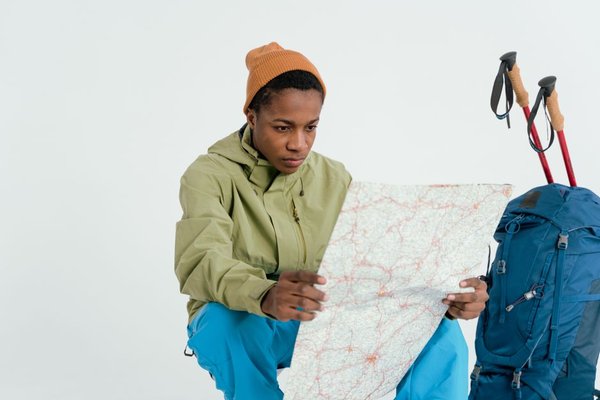
Travelling alone means enjoying your own schedule, but it also means you may be the only person available to make decisions when something goes wrong. A missed train is inconvenient; a lost phone, medical emergency or sudden evacuation can leave you juggling problems at once. A solo travel emergency plan gives you clear next steps before panic takes over.
You do not need a folder of worst-case scenarios. You need reliable contacts, accessible information, a backup way to pay and a simple decision about when to ask for help.
Build a one-page plan you can actually use
Start with a page saved offline on your phone and printed in your day bag. Record your full name, destination, accommodation address, travel dates, insurance assistance number and the person at home who knows your itinerary. Add your passport’s issuing country, but never include banking passwords or sensitive login details.
Organise it around three actions: reach safety, contact the appropriate local service and tell your trusted person what happened. This order matters. Trying to recover a stolen bag while standing in an unsafe street should never be the priority.
Choose travel emergency contacts before departure
Find the local numbers for police, ambulance and fire services in every country you will visit. Emergency numbers vary. Save your accommodation’s reception number, your travel insurer’s assistance line and the nearest embassy or consulate for your nationality.
Choose two trusted people at home who can reach each other if needed. Share your itinerary and explain whom they should contact if you become unreachable. Embassy staff may help after passport loss or during a crisis, but cannot guarantee payment of medical bills or organise every part of your onward journey.
Agree on a missed-check-in rule
A promise to “message regularly” leaves friends unsure when to worry. Choose a realistic check-in time, specifying the time zone. For example, agree on an evening message and what your contact should do if two check-ins are missed and an alternative attempt to reach you fails.
For remote hikes, set an activity-specific deadline and share your route and expected return. A missed message does not automatically mean danger, but your contact needs an escalation procedure rather than guesswork.
Prepare emergency travel documents in three places
Keep copies of your passport, visa or entry permission, insurance details, reservations and prescriptions. Store encrypted digital copies in a trusted account you can access from another device, download key information for offline use and leave another set with someone you trust. Carry paper copies away from the originals.
A passport scan cannot replace the original. It can, however, support identification and the replacement process. If your passport is lost or stolen, follow local reporting requirements and ask your embassy or consulate about replacement documents. Procedures differ by nationality and destination.
A separate travel document checklist can be useful when moving between hotels: check your passport, phone, payment method and the address of your next stop before departing.
Make a medical and insurance information card
Record medication names and doses, major allergies, relevant health conditions and an emergency contact. If you have complex medical needs, ask your clinician whether to carry a summary letter. Include generic medicine names where possible and check whether your destination restricts any prescribed drugs.
Identify a clinic or hospital near your first accommodation, particularly if you have ongoing health needs. Read your travel insurance terms for emergency treatment, exclusions, assistance procedures and medical evacuation. Policies vary, and some providers expect a prompt call or require payment up front.
Keep essential medicines in hand luggage in original labelled packaging where practicable, with extra supply for reasonable delays. A compact travel first aid kit is useful for minor problems, not a substitute for urgent medical care.
Create a backup travel plan for money and movement
Imagine losing your wallet and phone on the same afternoon. Could you still return to your accommodation? Keep modest emergency cash separate from your main wallet and, if possible, a second payment method elsewhere. Know how to freeze a missing card without relying on your missing phone.
Write down an alternative to your planned transport, such as a licensed taxi operator or staffed railway desk. Identify backup accommodation and a safe, staffed place where you could seek help. If you temporarily travel with people you meet, agree on a meeting point before separating; a crowded landmark may be inaccessible during a major incident.
Offline maps, your accommodation address in the local language and an alternative internet connection can turn a disruption into a manageable detour. Review your solo travel safety checklist whenever you change cities, since contacts and fallback locations will change.
Know what to do in the first ten minutes
Suppose your phone disappears at a busy bus station in an unfamiliar city. Move to a staffed, well-lit area rather than pursuing a suspected thief. Ask staff for assistance and decide whether to contact the police. Use your paper contacts to reach your accommodation or trusted person, secure affected accounts and cards, and arrange safe transport.
If you are injured or face immediate danger, call local emergency services first. During severe weather, civil unrest or evacuation, follow verified instructions from local authorities rather than heading toward the incident to recover belongings. Tell your home contact where you are and when you will update them.
Test opening your offline plan before leaving. A document you cannot access without your main phone is not an effective backup.
Frequently asked questions
What should a solo travel emergency plan include?
Include local emergency numbers, accommodation details, two trusted contacts, medical information, insurance assistance details, document copies and fallback options for money and transport. Keep it short enough to use under stress.
Should I share my whole itinerary with someone?
Share travel dates, overnight locations and higher-risk activities with someone you trust. Explain how plans may change and agree on check-in rules. You do not need to share your live location publicly.
What if I lose my phone while travelling alone?
Reach a safe place, use printed contacts, notify a trusted person and secure payment cards and important accounts. Access your documents and bookings from a backup device or trusted service desk if needed.
Do I need an emergency plan for a short city break?
Yes. Even a weekend trip can involve stolen documents, illness or transport disruption. A shorter plan works if the essentials are accessible.
Leave prepared, not worried
The best solo travel emergency plan works when your usual routines fail. Prepare contacts, copies and alternatives, then update the page when your location or itinerary changes. You can explore independently while knowing your first practical step if the day goes off course.