

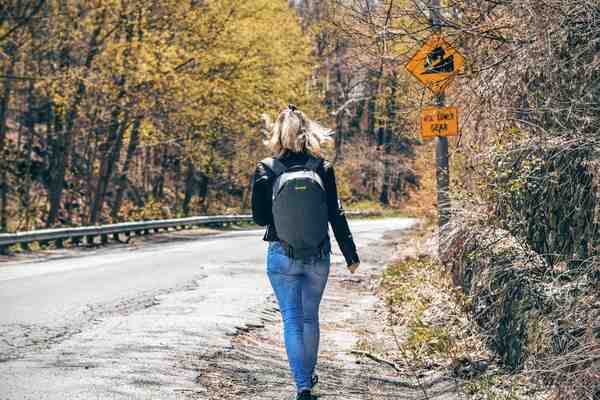
Traveling alone across the United States can be exciting, freeing, and deeply rewarding. You control the schedule, choose the destinations that interest you, and can change your plans without negotiating with anyone else. However, that freedom also means taking full responsibility for your personal safety, transportation, accommodation, and emergency planning.
The most effective solo travel safety tips for the USA are not about avoiding adventure. They are about preparing well enough to explore with confidence. From researching neighborhoods and protecting your personal information to managing late-night transportation, a few thoughtful habits can reduce unnecessary risks without making your trip feel restrictive.
Research More Than the Main Destination
Knowing that you are visiting New York, Miami, Chicago, or Los Angeles is not enough. Safety, transportation access, and the overall atmosphere can vary significantly between neighborhoods within the same city. Before booking accommodation, research the specific area where you will be staying and how you will travel between your hotel, attractions, restaurants, and transport hubs.
Look at recent guest reviews, particularly comments from people who traveled alone. Pay attention to mentions of street lighting, noise, nearby public transportation, reception availability, and whether guests felt comfortable returning after dark. A cheap room may not be a good deal if it leaves you isolated or dependent on expensive rides every evening.
When comparing safe solo travel destinations, consider practical factors rather than relying only on general rankings. Walkability, reliable transportation, mobile coverage, accessible accommodation, and busy public areas can all make a destination easier to navigate alone.
Share Your Plans With Someone You Trust
One of the simplest solo travel precautions is making sure another person knows where you are expected to be. Share your basic itinerary with a trusted friend or family member, including flight details, accommodation addresses, planned day trips, and any long driving routes.
You do not need to report every movement, but regular check-ins can be valuable. Agree to send a message when you arrive in a new city, return from a remote activity, or reach your accommodation after a late journey. This gives someone a clear reason to contact you if you unexpectedly stop responding.
Keep copies of important travel details in more than one place. Store reservation information on your phone, save a secure digital backup, and write down essential addresses and contact numbers in case your device is lost, damaged, or out of power.
Choose Accommodation Carefully
Good accommodation supports both comfort and solo trip safety. Select a property with a strong record of recent reviews, clear check-in procedures, secure entrances, and staff or support that can be reached when needed. If you expect to arrive late, confirm that the reception desk will be open or that the self-check-in process is straightforward.
Once inside your room, lock the door and use any additional latch provided. Avoid announcing your room number where strangers can hear it, and do not allow unexpected visitors inside. When speaking to hotel staff in a public area, ask them to write down your room number rather than saying it aloud.
If something feels wrong when you arrive, take that feeling seriously. You are not obligated to remain in accommodation that appears significantly different from its description or makes you feel unsafe. Moving may be inconvenient, but personal security should take priority over saving money or avoiding embarrassment.
Plan Transportation Before You Need It
Transportation decisions become harder when you are tired, carrying luggage, or standing alone in an unfamiliar area. Before arriving, learn how you will travel from the airport, bus station, or train terminal to your accommodation. Check operating hours and identify a backup option in case your first choice is unavailable.
When using a rideshare service, verify the vehicle, driver, and registration details before getting in. Avoid entering a car simply because the driver calls your name. Ask who they are picking up and compare the answer with the information shown in the app.
If you are driving, keep fuel levels comfortable and plan rest stops along longer routes. Park in visible, well-lit areas whenever possible, and avoid leaving luggage, electronics, or shopping bags in view. Traveling alone safely often comes down to preventing small problems before they become stressful situations.
Protect Your Phone, Money, and Documents
Your phone is likely to hold maps, bookings, payment apps, emergency contacts, and transportation information. Protect it with a strong passcode, enable device-tracking features, and carry a portable charger. Download important maps or directions for offline use, especially before visiting rural areas, parks, or places with unreliable reception.
Do not keep all your money and cards together. Carry only what you expect to use during the day and store a backup card separately. Keep your passport or primary identification secure rather than repeatedly removing it in public.
Be cautious when discussing your plans with strangers. Friendly conversations are part of travel, but you do not need to reveal that nobody is expecting you, where you are staying, or exactly where you will be later. A casual statement such as “I’m meeting someone soon” can help protect your privacy without creating confrontation.
Stay Aware Without Looking Afraid
Awareness is more useful than constant worry. Walk with purpose, keep your belongings controlled, and occasionally check your surroundings. Avoid becoming so focused on your phone that you miss changes around you, particularly near stations, parking areas, nightlife districts, or quiet streets.
Headphones can reduce awareness of traffic, announcements, and approaching people. When walking alone in an unfamiliar place, keep the volume low or use only one earbud. If you need directions, step into a café, hotel lobby, shop, or another populated location rather than standing distracted on the sidewalk.
Trust your instincts when a situation feels uncomfortable. You do not owe a stranger politeness, an explanation, or continued conversation. Enter a busy business, approach staff, change seats, or arrange transportation if you believe someone is following you or paying unwanted attention.
Be More Cautious After Dark
Many destinations remain lively and enjoyable in the evening, but nighttime requires additional planning. Decide in advance how you will return to your accommodation and avoid relying on last-minute transportation from an unfamiliar location.
Limit alcohol enough to remain aware of your surroundings and able to make clear decisions. Never leave a drink unattended, and do not accept an open drink from someone you have just met. If you feel unwell or unusually disoriented, contact staff, move to a secure public area, and seek help immediately.
There is no shame in leaving early, changing plans, or paying for a ride rather than walking. Sensible solo travel precautions are not signs of fear. They are tools that allow you to enjoy the trip while staying in control.
Prepare for Emergencies
Save emergency contacts before departure and know how to access local assistance. In the United States, 911 connects callers with emergency police, fire, or medical services. For non-emergency situations, local authorities or accommodation staff may be able to direct you to appropriate support.
Travel insurance can also be useful when a trip involves expensive bookings, outdoor activities, rental vehicles, or potential medical costs. Read the terms carefully so you understand what is covered and how to request assistance.
Carry essential medication in its original packaging and keep enough with you to manage unexpected delays. For hiking, long drives, or remote day trips, bring water, weather-appropriate clothing, and basic supplies rather than assuming help or shops will always be nearby.
Frequently Asked Questions
Is the USA safe for solo travelers?
Many people travel alone throughout the United States without serious problems. Safety depends on the destination, neighborhood, transportation choices, time of day, and the traveler’s preparation. Researching specific locations and following basic safety practices can make solo travel more manageable and enjoyable.
What should I avoid doing when traveling alone?
Avoid sharing detailed plans with strangers, displaying valuables, accepting unverified rides, becoming heavily intoxicated, or entering isolated areas without preparation. It is also wise to avoid ignoring your instincts simply because you do not want to appear rude.
How can I make my first solo trip feel safer?
Choose a well-connected destination, book centrally located accommodation, plan airport transportation in advance, and create a simple daily itinerary. Starting with a shorter trip can help you build confidence before attempting a longer or more remote journey.
Should solo travelers share their live location?
Sharing your live location with a trusted person can be helpful during long drives, hikes, late-night journeys, or meetings with someone new. Use secure sharing tools and limit access to people you know and trust.
Travel With Confidence, Not Complacency
Solo travel offers a rare opportunity to move at your own pace and experience a destination on your own terms. The goal is not to remove every possible risk, which no traveler can do, but to make informed decisions that reduce avoidable problems.
Research your surroundings, protect your personal details, plan transportation, stay connected with someone at home, and listen to your instincts. With these habits in place, you can focus less on uncertainty and more on the independence, discovery, and confidence that make solo travel worthwhile.