

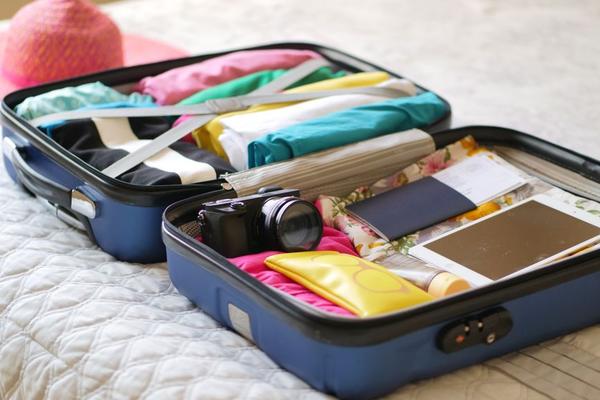
A great road trip can unravel over something small: a dead phone battery two hours from the next town, a missing insurance card, or a rain jacket buried beneath three suitcases. A useful road trip packing list prepares you for the hours between stops, not just your destinations. For a USA drive, think in layers: what must stay within reach, what belongs in the trunk, and what you would need if the car stopped unexpectedly.
Start With a Vehicle Check
Packing extra gear cannot make up for a car that needs maintenance. Before a long drive, check tire condition, lights, wipers, washer fluid, and visible leaks. Check tire pressure when tires are cold, using the pressure on the driver’s door placard rather than the tire sidewall. Arrange a mechanic’s inspection if you have concerns about the brakes or battery.
Locate the spare tire or manufacturer-supplied repair kit. Some newer cars have no spare. Know what equipment your vehicle carries and what roadside assistance covers. Leave luggage space without blocking your view or exceeding load limits.
Documents and Money to Keep Accessible
Your car trip packing list should begin with things that are difficult to replace at a rest stop. Keep them in a small organizer in the cabin, without leaving valuables exposed when parked.
Bring a valid driver’s license, vehicle registration, proof of insurance, payment cards, some cash, booking confirmations, and roadside assistance details. For rentals, carry the agreement and confirm who may drive. International visitors should check license requirements for the states and rental company involved.
Save key addresses and confirmations offline in case service drops. A separate multi-state road trip planning guide can help coordinate overnight reservations with realistic driving time.
Road Trip Essentials for the Cabin
Make a Reachable Everyday Bag
Include reusable water bottles, tissues, hand sanitizer, sunglasses, lip balm, sunscreen, and a small trash bag. Keep prescriptions in labeled containers and protect them from temperature extremes; never leave temperature-sensitive medication in a hot parked vehicle.
Add Comfort Without Clutter
Pack a light layer, a blanket, and a neck pillow for passengers. Bring motion-sickness supplies if needed. Children may appreciate quiet activities and headphones, but secure loose objects. Never allow pillows or blankets to interfere with seat belts or child restraints.
Food and Water for Long Highway Stretches
On remote routes, convenient food stops may be farther apart than expected. Bring crackers, nuts if suitable for passengers’ allergies, fruit, and shelf-stable bars. Use an insulated cooler with ice packs for refrigerated food; a warm car will not keep perishables safe.
Carry drinking water for everyone plus an emergency supply appropriate to the weather and remoteness of your route. Refill whenever practical. Keep a small bag for wrappers and plan regular breaks rather than eating a full meal while driving.
Clothing, Footwear, and Toiletries
Pack for the forecast rather than the calendar. A desert afternoon and a mountain evening can feel like different trips. Bring breathable layers, walking shoes, socks, underwear, sleepwear, and rain protection. A spare outfit in the cabin is useful when a drink spills or a scenic stop becomes muddy.
Keep a small overnight bag with a toothbrush, toothpaste, personal care products, medication, sunscreen, and insect repellent where needed. If hiking is on the itinerary, consult a national park day-hike packing checklist for trail-specific supplies instead of loading the car with unnecessary gear.
Electronics and Offline Navigation
Bring compatible phone cables, a working car charger, and a charged power bank. Download offline maps for areas with poor reception and save your next overnight address. Set navigation before driving so screens do not distract the driver.
Pack adapters for cameras and tablets with your driving vacation gear. In a rental car, confirm the available charging ports; not every vehicle supports the same connectors or wireless system.
Emergency Supplies Worth Their Space
The National Highway Traffic Safety Administration recommends a roadside emergency kit even for well-maintained vehicles. Include a flashlight, first-aid kit, jumper cables or suitable jump starter, tire pressure gauge, work gloves, reflective warning triangles, basic tools, and a paper map. Carry a jack and tire tools if compatible with your vehicle, and learn safe use before the trip.
Add water, nonperishable food, a weather-appropriate blanket, and essential medication. For winter routes, consider an ice scraper, warm clothing, and suitable traction aids. Check weather alerts and highway conditions before remote mountain drives. During a breakdown, prioritize moving people to safety and requesting assistance rather than attempting risky roadside repairs.
Pack the Car in Three Zones
Keep documents, water, and chargers safely accessible to passengers. Put snacks, a light layer, and the next overnight bag near the top of the luggage. Store bulky bags farther back while keeping emergency equipment reachable. Secure heavy items so they cannot become projectiles during sudden braking.
Picture arriving after dark at a motel along Interstate 40 in pouring rain. If one bag contains pajamas, toiletries, medication, and tomorrow’s clothes, you can leave everything else in the car. Combine this approach with a road trip stop-planning guide so rest breaks and supply checks work together.
Frequently Asked Questions
What should I pack for a three-day road trip?
Bring identification, documents, water, snacks, chargers, a first-aid kit, and emergency supplies. Add three days of weather-appropriate clothing, toiletries, prescriptions, and one spare outfit. Adjust for planned activities.
What should always stay in the car?
Keep a suitable roadside kit, vehicle documents, a charger, drinking water, and assistance contact details. Inspect supplies periodically and replace expired items.
How much luggage is too much?
Every passenger needs a safe seat and the driver needs clear visibility. Never exceed the vehicle’s weight ratings, and secure heavy bags rather than stacking them loosely.
Do I need different supplies for winter?
Yes. Add warm layers, blankets, an ice scraper, and route-appropriate traction equipment. Check weather and road restrictions; severe conditions may make delaying a drive safer.
Final Packing Check
The best travel packing checklist is one you can use while loading the car, not a shopping list of gadgets. Check the vehicle, keep safety supplies accessible, and make one last pass for documents, medication, water, and charging cables. With the basics covered, you can focus on the road ahead.