

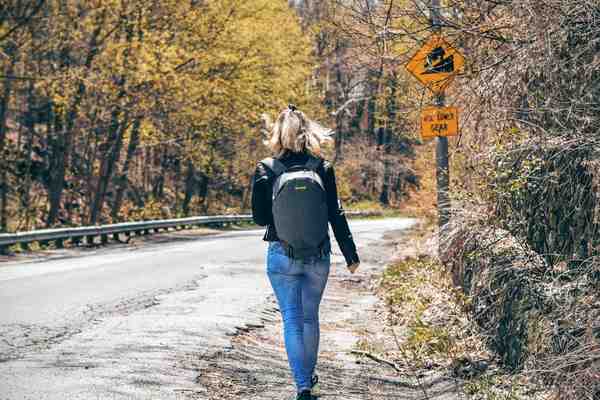
Solo travel gives you freedom to change plans, follow your curiosity, and explore at your own pace. It also makes you responsible for decisions when a train is delayed, a street feels unfamiliar, or your phone battery runs low. The best solo travel safety tips are about keeping good options available, not expecting danger everywhere.
Across the United States, a little planning can make independent travel more comfortable. Focus on arrival, accommodation, transportation, communication, and what you’ll do if plans change unexpectedly.
Plan Ahead for Your Arrival
Research the neighborhood around your accommodation, not just its rating. Read recent reviews for information about lighting, access, security, and responsive staff. Check local weather and save the hotel address. If possible, schedule your first arrival during daylight.
Keep secure copies of identification, reservations, insurance details, and emergency contacts available offline. Carry a backup payment method separately from your wallet. Leave spare time between activities: a rushed itinerary can turn a minor delay into a poor decision.
Choose Accommodation with Security in Mind
A convenient, well-managed property may be worth more than a cheaper room reached by an isolated walk after dark. Look for secure entry, dependable staff, and transportation nearby.
On arrival, test door and window locks, check for smoke alarms, and locate your nearest emergency exit. Ask to change rooms if security features are faulty. Don’t announce your room number in public, and meet new acquaintances in a lobby or another public place rather than your room.
Verify Transportation Before You Get In
For rideshares, check the license plate, vehicle make and model, and driver’s photo against your booking app. Never enter a car merely because someone claims to be your driver. Use designated pickup areas and share ride details with someone you trust if that feels useful.
Imagine landing in Chicago after an evening flight delay. Instead of improvising transportation outside a busy terminal, find the official pickup area first, confirm your driver’s details, and keep your hotel address saved offline. That’s what traveling alone safely often means: solving problems before you’re tired.
On buses and trains, keep bags and valuables close. If a waiting area feels unsafe, move toward staff or other passengers. Know when the final service runs so you aren’t stranded at night.
Create a Check-In Plan with Someone You Trust
Choose a friend or relative who will know your accommodation, general route, and expected check-in time. Agree on what they should do if you cannot be reached. For remote trips, share your planned route and return time rather than a vague destination.
Privacy matters too. Avoid publishing your exact hotel location or real-time schedule. Sharing photos after leaving a place can let friends follow your travels without revealing where you are at that moment.
Prepare for a Dead Phone or Lost Signal
Charge your phone, carry a power bank, and download maps before heading somewhere unfamiliar. Protect your device with a screen lock and enable its finding features. Store essential addresses and booking numbers somewhere accessible without internet.
Cellular service may disappear in national parks and on remote highways. Carry appropriate backup navigation rather than relying entirely on an app. The National Park Service recommends leaving a trip plan with a trusted contact who can seek help if you don’t return.
Enjoy Nightlife Without Losing Your Exit Plan
Meeting people can be a highlight of solo travel. Choose public venues, keep your drink in sight, and decide how you’ll return before the evening starts. Alcohol and exhaustion can affect judgment, so pace yourself and reserve enough money for a safe ride home.
If someone pressures you to change locations, decline without apologizing. Ask venue staff for help if you feel unsafe. Personal safety while traveling includes trusting your judgment even when you cannot explain precisely why a situation feels wrong.
Take Extra Precautions on Hikes and Road Trips
A hike demands different preparation from a city stroll. Choose a trail suitable for your experience, check conditions, bring water and weather-appropriate layers, and start early enough to finish in daylight. Tell someone which trail you’re taking and when you expect to return.
The National Park Service advises that hiking with a companion is safer. If you hike alone, prepare for the possibility that help and phone service are unavailable. During long drives through sparsely populated areas, plan fuel and rest stops. A practical solo road trip planning guide can help you avoid arriving exhausted.
Know When and How to Get Help
If you feel followed, move toward a staffed store, hotel lobby, or busy public area instead of heading to your room. If your accommodation is insecure, request another room or leave. If a ride feels threatening, use its available safety features and contact emergency services when necessary.
In the United States, call 911 for an immediate police, fire, or medical emergency. Be ready to describe your location clearly. For nonemergency concerns, find the local authorities’ published nonemergency number. Good solo traveler safety depends on recognizing when to change course, not predicting every problem.
Try This Daily Safety Check
Before leaving, ask yourself: Is my phone charged? Do I know how I’ll get back? Can I pay if one card fails? Does someone know about my remote activities? What’s the forecast? A first solo trip planning guide and solo travel packing checklist can help organize the details.
Frequently Asked Questions
Is traveling alone in the USA safe?
Many travelers explore the USA alone successfully, but risk changes with location, time, and activity. Research specific neighborhoods and routes rather than treating an entire city as uniformly safe or unsafe. Remain flexible when conditions change.
Should I tell strangers that I’m traveling alone?
You don’t have to. Friendly conversation is fine, but avoid sharing your room number, exact plans, or whereabouts with someone you barely know. You can redirect personal questions without explanation.
What safety essentials should I pack?
Start with identification, medication, a charged phone, power bank, emergency contacts, and a separate payment backup. Add water, suitable clothing, and navigation equipment for outdoor trips.
How can I feel less anxious on my first solo trip?
Begin with manageable daytime outings. Plan your arrival and return journey, then leave room for spontaneous choices. Confidence grows through small decisions you handle successfully, not through eliminating uncertainty.
Keep Your Freedom and Your Options
The strongest solo travel safety tips are simple habits: secure lodging, verified transport, an offline map, a trusted check-in person, and permission to leave uncomfortable situations. Preparation doesn’t remove the joy of traveling alone. It helps you enjoy it.