

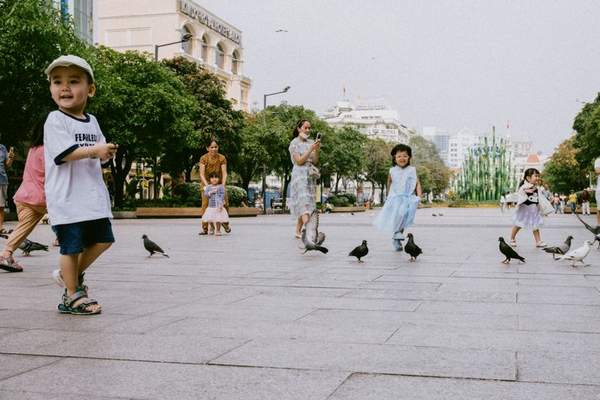
A city can be a brilliant family playground: trains to ride, street performers to watch, food to discover and museums that bring school subjects to life. It can also become exhausting quickly. Crowded pavements, queues and one poorly timed meal can derail an afternoon. The secret to a successful family city vacation with kids is not squeezing in every landmark. It is designing each day around manageable journeys, familiar routines and room for surprises.
Choose a City and Neighborhood That Work for Your Family
Start with your children’s ages, walking stamina and interests rather than a list of famous sights. A toddler may enjoy playgrounds and tram rides more than a packed museum schedule. Older children might prefer interactive exhibits, food markets or historic neighborhoods. Check the likely weather for your travel dates, particularly if your plans involve walking.
Where you stay often matters more than how luxurious the accommodation looks. A centrally located hotel or apartment near reliable transport can save time every day. Look for a grocery shop, casual restaurant and green space nearby. Read recent reviews for street noise, lift access and room layout, not just cleanliness.
Map the Actual Walk
A hotel described as ten minutes from a station might require steep steps or a busy road crossing. Use street-level maps to inspect the route from your accommodation to the nearest stop. If bringing a stroller, confirm step-free entrances and whether the building has a working lift.
Build Each Day Around One Main Attraction
The biggest mistake on a city break with kids is treating the itinerary like an adult sightseeing marathon. Choose one main morning activity and an optional nearby stop. This could mean a science museum followed by a playground, or a historic square followed by a boat ride. Leave the afternoon flexible enough for an early return.
Group attractions geographically instead of crossing town repeatedly. Two interesting stops in one neighborhood usually feel better than three connected by lengthy journeys. Check which activities require timed tickets, whether strollers are permitted and where toilets are located before committing.
A Realistic Example: One Morning in London
Imagine visiting London with a six-year-old and a nine-year-old. Plan a morning at a museum in South Kensington, lunch nearby and outdoor time in Kensington Gardens. If everyone still has energy, add another small activity. Otherwise, return to the hotel. That is a complete day, not a failed itinerary. The children have explored, eaten and enjoyed room to move.
A guide to family-friendly vacation activities can provide alternative ideas for different ages without overloading your schedule.
Use Public Transport Without Turning It Into an Expedition
Subways, trams and buses can make a kid friendly city vacation easier, but each transport network has different ticket rules and accessibility limitations. Check the local operator’s official route planner, current service notices and child fares. Never assume every station has a lift or that the fastest route is easiest with a stroller.
Save your accommodation address offline and identify a straightforward route home. Allow extra minutes for lifts, ticket gates, toilet stops and busy platforms. During rush hour, travelling slightly later can be calmer. Agree on clear rules before entering stations: stay together, stand back from platform edges and wait for an adult before boarding.
Make Meals and Rest Stops Part of the Route
Urban travel with children often succeeds or fails between attractions. Hunger can make a short queue feel endless. Mark two casual lunch options near your morning stop, including one that needs no reservation. Check menus for familiar choices. A supermarket picnic may be more relaxing than another restaurant meal.
Bring water, a few snacks and wipes. Identify toilets near your likely stops, but check their availability locally. Make time to sit down even when nobody says they are tired. A playground break can reset the mood more effectively than promising another exciting attraction.
Try a Three-Part Daily Rhythm
Plan a morning highlight, relaxed lunch and afternoon choice. That choice could be a smaller attraction, a park or returning to your accommodation. Schedule the most important activity first, when energy tends to be higher. Protect familiar nap times for younger children where possible.
Pack for Walking and Weather
Comfortable shoes matter more than extra outfits. A lightweight day bag should hold water, snacks, weather protection, a portable charger, basic first-aid supplies and essential medication. Younger children may need spare clothes; older ones can carry their own small bag.
Check the forecast each morning and dress in layers when conditions may change. Save tickets and maps offline in case mobile reception disappears underground. A family travel packing checklist helps prevent small omissions that become frustrating during a long sightseeing day.
Budget for Costs Beyond Attraction Tickets
Transport, taxis, snacks, luggage storage and unexpected indoor activities can add up. Compare a central hotel’s price with the commuting costs and effort of staying farther away. A cheaper room is not necessarily a cheaper holiday once daily journeys are included.
Mix paid attractions with parks, public squares and free or low-cost museum collections where available. Check conditions before buying a city pass: it only saves money if your family will realistically visit enough included places. Our budget-friendly family vacation ideas offer other ways to control spending.
Leave Space for the Unexpected
Rain, tired feet or an unexpectedly wonderful playground may change the plan. Keep an indoor backup near outdoor stops without treating it as an obligation. Give children small choices, such as selecting a snack or deciding between a fountain and a garden. Those decisions make a family city trip feel like an adventure they share.
Agree on a meeting point and explain what to do if separated. For younger children, an identification card with a parent’s contact number offers extra reassurance. Adapt the precautions to each child’s age and your surroundings.
Frequently Asked Questions
How many attractions should we plan per day with kids?
One major attraction plus one optional nearby activity is a sensible starting point. Adjust for age, journey times and energy. A short visit enjoyed fully beats a long itinerary rushed through.
Is public transport better than renting a car?
In dense city centers, walking and public transport are often simpler than driving and parking. A car may help with mobility requirements, luggage or destinations beyond the center. Compare actual routes and local rules.
How do we manage naps during a city vacation?
Protect familiar rest periods where possible. A midday return to the accommodation often works well for toddlers. Older children may prefer a quiet café break, a shady park or a relaxed lunch.
How far should children walk on a city break?
There is no universal distance. Age, fitness, terrain and weather matter. Plan shorter segments than an adult itinerary suggests, look for signs of fatigue and keep a transport option available for the return.
Let the City Set the Scene, Not the Pace
Planning a family city vacation with kids means making travel comfortable, not simply picking interesting destinations. Choose a convenient base, keep activities close together and treat meals and rest as essential parts of sightseeing. With structure and flexibility, your children can remember the sights, sounds and small discoveries rather than the rush between them.