

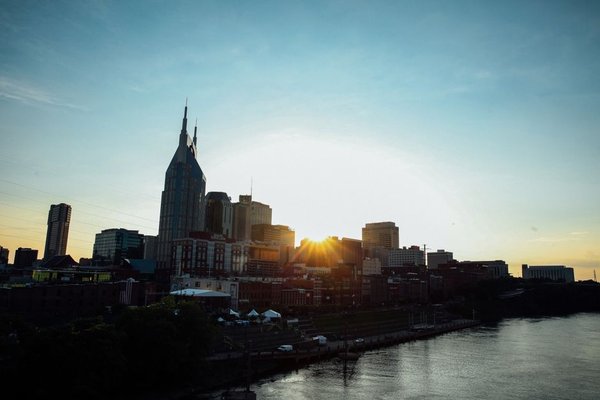
Nashville isn’t just Music City anymore—it’s one of the fastest-growing tourism destinations in the United States, and the crowds prove it. Bachelorette parties fill pedal taverns on Broadway, live bands spill out of honky-tonks until 3 a.m., and new hotels seem to open every few months to keep up with demand. But beyond the neon signs and boot-scooting bars, Nashville has a quieter side too: rolling hills, historic homes, a genuine food scene, and neighborhoods that feel worlds away from downtown’s noise. Whether you’re planning a girls’ trip, a music pilgrimage, or a first-time family visit, this guide breaks down when to go, what to see, and how to experience Nashville like more than just a tourist passing through.
Best Time to Visit Nashville
Nashville weather is a big factor in how much you’ll enjoy your trip, and timing your visit right can make all the difference. The city sits in a humid subtropical zone, which means hot, sticky summers and mild-to-cool winters with the occasional cold snap.
Spring (March to May)
Spring is widely considered the sweet spot for visiting Nashville. Temperatures hover comfortably between the low 60s and low 80s (Fahrenheit), the city’s parks and gardens bloom, and outdoor patios along Broadway and in neighborhoods like The Gulch fill up fast. It’s also when Nashville hosts several festivals, so book accommodations early.
Summer (June to August)
Summer brings peak tourist season, high humidity, and temperatures that regularly climb into the 90s. This is when bachelorette parties and music festivals are in full swing, so expect higher hotel rates and packed bars downtown. If you don’t mind the heat and crowds, summer offers the liveliest version of the city.
Fall (September to November)
Fall is an underrated season for visiting Nashville. The humidity drops, foliage turns golden across the surrounding hills, and the energy downtown stays high without the brutal summer heat. Many locals consider early fall the city’s best-kept secret.
Winter (December to February)
Winter is Nashville’s quietest and most budget-friendly season. Temperatures typically range from the mid-30s to low 50s, with occasional light snow. Hotel prices drop significantly, and while some outdoor attractions slow down, the honky-tonks and museums stay open year-round.
Top Nashville Attractions
With so many Nashville attractions competing for your time, it helps to prioritize based on what you actually want out of the trip—live music, history, or a mix of both.
Broadway and the Honky-Tonk District
No visit is complete without walking Nashville Broadway at least once. This is the strip of neon-lit bars where live bands play for tips, day and night, often stacked three floors high in the same building. Tootsie’s Orchid Lounge and Robert’s Western World are two of the most iconic stops, but even wandering in and out of a few random bars gives you a genuine feel for the city’s music culture.
The Country Music Hall of Fame and Museum
Just a few blocks off Broadway, this museum traces country music’s history from its earliest roots to today’s biggest stars. It’s an easy half-day activity and a good option if you need a break from the heat—or the noise.
The Grand Ole Opry and Ryman Auditorium
The Ryman Auditorium, known as the “Mother Church of Country Music,” hosts intimate shows in a beautifully restored 19th-century building downtown. The Grand Ole Opry, located a bit further out near Opryland, is the longest-running radio broadcast in the U.S. and still puts on a classic variety-style show most weekends.
The Parthenon in Centennial Park
One of Nashville’s more surprising attractions, this full-scale replica of the Athenian Parthenon sits in Centennial Park and houses an art museum inside. It’s a favorite for photos and a nice change of pace from the music-heavy sites downtown.
Neighborhoods Beyond Downtown
East Nashville and 12 South are worth carving out time for if you want a break from Broadway’s crowds. Both areas are known for boutique shopping, coffee shops, and a more residential, walkable feel. Germantown, one of the city’s oldest neighborhoods, has become a hub for some of Nashville’s best restaurants.
Tips for Visiting Nashville
Book Accommodations Early for Weekends
Nashville’s bachelorette party scene has made weekends—especially Friday and Saturday nights—significantly busier and pricier than weekdays. If your schedule is flexible, visiting Sunday through Thursday means shorter lines, better hotel rates, and a more relaxed Broadway experience.
Wear Comfortable Shoes
Downtown Nashville is very walkable, but cobblestone-style sidewalks and long nights of bar-hopping add up quickly. Comfortable footwear matters more here than you’d think.
Balance Broadway With Local Spots
It’s easy to spend an entire trip within a few downtown blocks, but some of the best food and quieter live music happens in neighborhoods like East Nashville or Germantown. Even one meal away from the tourist strip is worth the short drive or rideshare.
Pace Yourself With the Heat
If you’re visiting in summer, plan indoor activities like museums or the Country Music Hall of Fame during the hottest part of the afternoon, and save outdoor exploring for morning or evening hours.
Frequently Asked Questions
What is the best time of year to visit Nashville?
Spring and fall generally offer the most comfortable weather and manageable crowds, making them the best overall times for visiting Nashville. Summer is liveliest but hot and crowded, while winter is quieter and more budget-friendly.
How many days do you need in Nashville?
Three to four days is usually enough to cover Broadway, a few major attractions, and at least one neighborhood outside downtown. Music lovers or those attending a specific festival may want to add extra time.
Is Nashville Broadway safe at night?
Broadway is generally well-lit, busy, and patrolled, making it one of the safer entertainment districts for visitors. As with any crowded nightlife area, it’s smart to stay aware of your surroundings, especially late at night.
Is Nashville a good destination if you don’t like country music?
Yes. While country music is central to the city’s identity, Nashville also has a strong scene for rock, blues, and indie music, along with museums, parks, and food that have nothing to do with music at all.
Final Thoughts
Nashville earns its reputation as Music City, but the version most visitors see on a quick Broadway crawl is only part of the story. Between the honky-tonks and headline attractions, there’s a slower, more local Nashville waiting in its neighborhoods, parks, and restaurants. Whether you’re there for a bachelorette weekend or a first family trip, timing your visit around the weather and pacing yourself between the big attractions and the quieter corners will make for a much fuller experience of what this city actually has to offer.