

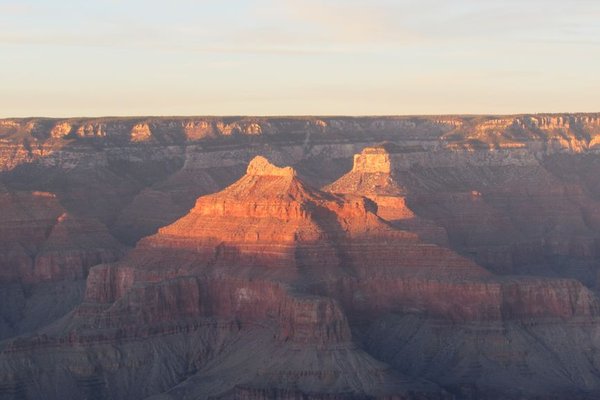
The best time to visit Grand Canyon National Park depends on which rim you plan to see and what you want to do. A mild day at the South Rim can feel completely different from conditions thousands of feet below, while the higher North Rim has a much shorter visitor season. That is why “summer is best” is not always the most useful answer.
For most first-time visitors, late spring and early autumn offer the strongest balance of comfortable rim temperatures, reliable access, and manageable crowds. Hikers, photographers, families, and winter travellers may prefer different months, so it helps to understand how weather and access change across the park.
Best Overall Time to Visit the Grand Canyon
Late April through May and mid-September through October are generally the best periods for the Grand Canyon South Rim. Daytime temperatures are often more comfortable than in midsummer, and conditions usually suit viewpoints, scenic drives, and shorter walks. These shoulder-season months can still be busy, especially on weekends and holidays, but they are often less intense than peak summer.
The best time to visit the Grand Canyon North Rim is more limited. Its higher elevation brings cooler temperatures and heavier snowfall, so roads and visitor services are seasonal. The usual season runs from mid-May into October, although exact dates and available facilities can change because of snow, fire impacts, or infrastructure conditions.
Spring: Comfortable but Changeable
Spring is one of the most appealing seasons at the South Rim. April brings warming afternoons and improving road conditions, while May often delivers pleasant rim weather before inner-canyon heat becomes severe. It is an excellent period for scenic walks and sunrise or sunset viewpoints.
However, Grand Canyon weather can change quickly. Freezing nights, strong winds, and late snow are possible at rim level. Pack layers rather than assuming Arizona will be consistently hot. A warm jacket may be useful at sunrise even when the afternoon forecast looks mild.
Spring can also be deceptive for hikers. The rim may feel comfortable while temperatures inside the canyon are much higher. By late May, exposed trails can become extremely warm during the middle of the day. Start early, carry adequate water and food, and remember that the climb out is usually the hardest part.
Summer: Full Services, Heavy Crowds, and Heat
June, July, and August are popular because families have more flexibility, daylight is long, and the South Rim is fully active. Rim temperatures are generally more moderate than conditions near the Colorado River, making viewpoints and easy rim walks enjoyable for much of the day.
The main drawback is crowding. Entrance roads, parking areas, popular overlooks, and accommodation can become congested. Booking lodging or campsites well ahead, arriving early, and using the free shuttle system can make a major difference.
Summer is not necessarily the best Grand Canyon hiking season. Inner-canyon temperatures frequently rise above 100°F, creating serious heat risks. July, August, and early September can also bring monsoon thunderstorms, lightning, sudden downpours, and flash flooding. Clear mornings do not guarantee a storm-free afternoon, so check current forecasts and trail messages.
Is Summer Better at the North Rim?
The Grand Canyon North Rim can be an excellent summer alternative for travellers seeking cooler weather and fewer visitors. Its greater elevation usually means lower daytime temperatures, and the forested, remote setting feels very different from the busier South Rim village.
It also requires more planning. In 2026, seasonal access has returned, but services remain limited during the recovery period and in-park lodging is unavailable. Visitors should confirm current road, water, campground, trail, and facility information with the National Park Service before travelling.
Autumn: Excellent for Views and Hiking
September and October are often the sweet spot for visitors who want good access with cooler conditions. After the summer holiday period, crowds usually begin to ease while South Rim services remain widely available. Mornings can feel crisp, but afternoons are often comfortable for rim walks.
Autumn is also a better period for below-rim hiking, particularly from late September onward, because inner-canyon temperatures become less extreme. Elevation changes still matter, though. A cold morning at the rim can turn into a warm afternoon farther down the trail.
North Rim visitors should avoid planning too late without checking current access. Services normally wind down around mid-October, and winter road closures follow as snow arrives. Early October can be beautiful, but flexibility is important.
Winter: Quiet South Rim Experiences
Winter is ideal for visitors who value solitude, dramatic light, and possible snow-covered scenery. The South Rim remains open throughout the year, although some facilities have reduced schedules and snow or ice can affect roads and trails. December through February generally brings the lightest crowds outside holiday periods.
Come prepared for below-freezing temperatures, icy paths, and storms that may temporarily hide the canyon. Warm layers, traction devices, and flexible plans are useful. On clear days, winter can deliver unforgettable views and peaceful overlooks.
The North Rim is not a normal winter driving destination. Access roads close seasonally, visitor services are unavailable, and deep snowfall is common. Winter trips should normally focus on the South Rim.
How to Choose the Right Month
Choose May or September for the best all-round balance of weather and access. Consider April or October for thinner crowds, while accepting colder mornings and less predictable conditions. Visit in winter for quiet scenery, or in summer when schedules require it, but prepare for congestion, thunderstorms, and dangerous heat below the rim.
For serious hikers, spring and autumn are usually preferable to midsummer. For a North Rim trip, stay within the official seasonal window and verify services before booking. For a classic first visit based around viewpoints and short walks, the Grand Canyon South Rim offers the most flexibility because it is open year-round.
Frequently Asked Questions
What month has the best weather at the Grand Canyon?
May and September are often the best choices because rim temperatures are usually comfortable and access is broad. Conditions can still vary sharply between the rim and the inner canyon.
When is the Grand Canyon least crowded?
Winter weekdays are generally the quietest at the South Rim. Late autumn and early spring can also be calmer than summer, especially outside holidays and weekends.
Which rim is better for a first visit?
The South Rim is usually better for first-time visitors because it is open year-round and provides more viewpoints, transport, accommodation, and services. The North Rim suits travellers seeking a quieter seasonal experience.
When should you avoid hiking into the canyon?
Avoid strenuous inner-canyon hiking during the hottest summer hours. Extreme heat, limited shade, and the demanding climb back to the rim can create dangerous conditions. Check forecasts, trail notices, and water availability before starting.
Conclusion
The best time to visit Grand Canyon National Park is not one fixed date. For most travellers, May and September provide the best combination of pleasant weather, open facilities, and fewer seasonal complications. Spring and autumn favour hikers, summer offers long days but heavier crowds, and winter rewards prepared visitors with a quieter South Rim. Match the season to your chosen rim and activities, then check current conditions before departure.