

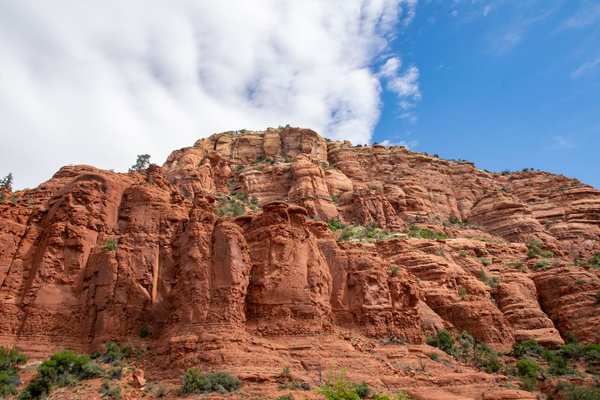
Sedona is one of those places where timing changes the whole experience. The same sandstone walls that look bright and flat at midday can glow copper, orange, and deep crimson when the sun sits low on the horizon. For hikers, timing also determines whether a trail feels crisp and comfortable or exposed and exhausting. The best time to visit Sedona Arizona for the strongest mix of hiking weather and red rock views is generally spring from March through May and fall from late September through November.
Spring brings mild days and longer daylight, while fall combines comfortable temperatures with warm late-day light. Summer can still work if you plan around dawn and evening, and winter rewards flexible travelers with quieter trails, crisp skies, and the occasional chance to see snow against the Sedona red rocks.
Best Overall Months for Visiting Sedona
For many first-time visitors, April, May, October, and November are especially easy months to plan around. Daytime conditions are usually more comfortable for longer Sedona hiking routes than they are in midsummer, while mornings and evenings can be cool enough for layers. March and late September can also be excellent, although temperatures may vary more from one week to the next.
Spring and fall are well known for pleasant Sedona weather, so roads, trailheads, restaurants, and viewpoints can feel busy. An early start helps with more than temperature: it can also mean softer light, easier parking or shuttle planning, and a calmer trail experience.
Spring: Mild Hiking and Longer Photography Days
From March through May, Sedona shifts from cool winter conditions into warmer hiking weather. Early spring mornings can still feel chilly, especially in shaded canyons, but afternoons become pleasantly warm. By May, exposed trails can feel hot around the middle of the day, making sunrise starts increasingly worthwhile.
Spring’s longer daylight gives photographers more flexibility. Morning light can pick out layers in cliffs and buttes, while late-afternoon sun deepens the warm tones of the rock. If photography matters as much as mileage, avoid making noon your main sightseeing window. Use the middle of the day for lunch, scenic drives, galleries, or shaded walks, then return to an overlook as the light softens.
Fall: The Sweet Spot for Red Rock Views
Fall is arguably the most balanced season for visiting Sedona. September can still feel summery, but conditions usually become more comfortable as October arrives. November is cooler again, particularly after sunset, yet it can be excellent for hiking if you prefer brisk air over warm afternoons.
Autumn also adds color around Oak Creek and other riparian areas, where changing leaves can contrast beautifully with red sandstone. For landscape photography, that mix of warm rock, yellow foliage, and lower-angle sunlight can create more depth than harsher summer light.
An October day might begin with a sunrise hike, then breakfast. Use late morning and early afternoon for town or a scenic drive, then return to a viewpoint before sunset. That schedule gives you two strong photography windows without forcing the hardest hiking into the warmest part of the day.
Summer: Start Early and Respect the Monsoon
June through August is the toughest period for visitors who want long, exposed hikes. Sedona is higher and cooler than the Phoenix area, but summer afternoons can still be very hot. Start outdoor activity around dawn, carry plenty of water, use sun protection, and avoid pushing a hike simply because the distance looks short on a map.
Summer also overlaps with Arizona’s monsoon pattern. Thunderstorms can develop quickly and may bring lightning, intense rain, and localized flash-flood risk. Washes and narrow canyon areas deserve extra caution when storms are nearby or rain has fallen upstream. Check the latest forecast and trail conditions before setting out, and remember that wet sandstone can become slippery.
Summer is not automatically bad for red rock photography. Dawn can be beautiful and comparatively cool, while storm clouds may create dramatic skies. Flexibility matters, though: leave exposed terrain when thunder is building rather than waiting for a photograph.
Winter: Quieter Trails and Crisp Light
December through February brings cooler days and cold nights, but winter can be rewarding for active travelers. Sunny days may feel comfortable for hiking once the morning warms, especially on exposed routes where direct sun is welcome rather than punishing.
Winter also gives Sedona a different visual character. The lower seasonal sun can cast attractive side-light across rock faces, and occasional snow can create striking red-and-white scenes. Conditions after snow, ice, or rain can make shaded trails slick, so pack layers and check local conditions instead of assuming every route will be dry.
How to Time Your Day for Better Photos
Season matters, but the hour matters almost as much. For classic Sedona red rocks photography, aim to be in position before sunrise or well before sunset so you are not rushing during the best light. Which formation glows most strongly depends on its orientation, surrounding terrain, cloud cover, and time of year.
Midday light is less forgiving because overhead sun can flatten texture and create deep shadows under ledges. If you are shooting then, look for compositions using blue sky, juniper, cactus, or shadow patterns. Useful related planning topics include Arizona scenic road trips, easy Sedona hiking trails, and Southwest landscape photography tips.
What to Pack in Every Season
Sedona’s elevation and dry climate can produce noticeable temperature changes between morning, afternoon, and evening. Bring layers, sturdy footwear, sun protection, sufficient water, snacks, a charged phone, and a reliable trail map. In warmer months, increase your water margin and reduce midday exposure. In cooler months, add insulation and expect shaded areas to feel colder than sunny trailheads.
FAQs About the Best Time to Visit Sedona Arizona
What is the best month to hike in Sedona?
April, October, and November are among the easiest months for many hikers because temperatures are generally more comfortable than in midsummer. The best choice depends on whether you prefer warmer afternoons, cooler mornings, or fewer crowds.
When should I avoid hiking in Sedona?
Avoid exposed hiking during extreme heat, active thunderstorms, lightning, flash-flood risk, or unsafe trail conditions. In summer, plan around cooler morning hours and check the latest weather before leaving.
Is Sedona better in spring or fall?
Both are excellent. Spring offers longer days and warming weather, while fall often delivers a combination of comfortable hiking temperatures, autumn color near creek areas, and warm late-day light on the rocks.
Can you visit Sedona in winter?
Yes. Winter can mean quieter trails, crisp daytime hiking, and distinctive photography. Expect cold mornings and nights, and be ready to adjust plans after snow, ice, or wet weather.
Choosing Your Sedona Window
If hiking and photography carry equal weight, aim for spring or fall and build each day around early and late light. Choose summer only if you are comfortable starting very early and adapting to heat and monsoon storms. Choose winter if you value quieter trails and do not mind layers or occasional weather changes. Sedona is scenic year-round, but matching the season and time of day to the way you want to explore it will give you better trails, better light, and a more memorable view of the red rocks.