

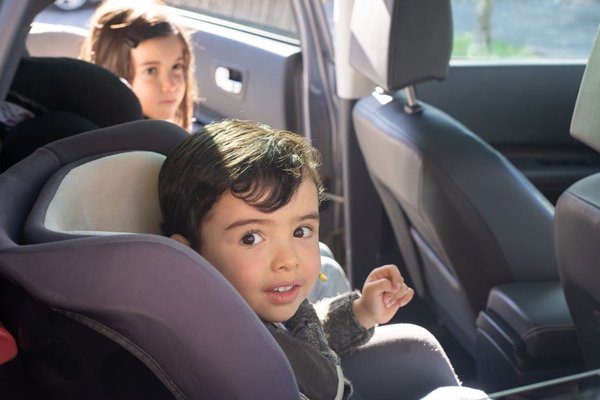
A family road trip with kids can be one of the best ways to explore the United States together. You can stop at a farm stand, spend an extra hour beside a lake, or change plans when someone needs a break. Yet a drive that looks short on a map can feel endless from the back seat.
The secret is not a rigid schedule. It’s a practical plan built around manageable driving stretches, interesting rest stops, accessible supplies, and enough flexibility to enjoy the journey.
Choose a Route That Works for Your Family
Start with your destination, then consider the drive itself. Mountain roads, holiday traffic, construction, and long stretches without services can affect a family driving vacation more than the mileage suggests.
Mark rest areas, playgrounds, grocery stores, and meal stops on your map. Save directions offline where cell service may be unreliable. Between two similar routes, the one with convenient bathrooms and places to move around may be better than the slightly faster option.
Add Time for Real-Life Delays
Suppose your map estimates four hours to reach a vacation rental. Allow another hour or two for lunch, a playground break, and surprise bathroom requests. You might arrive sooner, but nobody will feel pressured to skip a needed stop.
For an overnight road trip with children, choose lodging with convenient parking, nearby food, and enough sleeping space. An easy check-in matters when everyone is tired.
Make Driving Days and Breaks Realistic
A toddler and a teenager experience the same highway very differently. Younger children often cope better with shorter driving days, especially when naps, meals, or motion sickness complicate the schedule.
As a starting point, plan opportunities to get out roughly every 90 minutes to two hours, then adjust to your children’s needs. Infants may need more frequent stops for feeding and care. These are flexible planning intervals, not fixed medical rules.
Choose stops that offer movement. Ten minutes walking around a visitor center or playing at a park can be more refreshing than a quick gas station visit. Have a backup stop in case your first choice is crowded or closed.
Put Car Safety First
Before departure, check every car seat or booster seat against its manufacturer’s instructions and your vehicle manual. The National Highway Traffic Safety Administration recommends keeping children rear-facing until they reach the seat’s rear-facing height or weight limit. Move to the next appropriate restraint as they grow.
Children younger than 13 should ride in the back seat. Keep every passenger properly buckled whenever the vehicle moves. Never unbuckle a child to feed or change them while driving, and never leave a child unattended in a parked vehicle.
Check tires, lights, wipers, and fluid levels before a long drive. Keep a charged phone, water, medications, and basic emergency supplies available. A tired driver should stop and rest instead of trying to push through.
Organize the Car for Easy Access
For smoother kids car travel, separate the supplies you’ll use on the road from suitcases needed at the destination. Keep wipes, tissues, spare clothes, and cleanup bags together in a small bag an adult can reach. Secure heavy luggage in the cargo area.
Give older children a small activity pouch with headphones and a few quiet choices. Avoid loose, heavy objects inside the cabin. If you’re staying at a hotel midway, pack one overnight bag so you don’t have to unload everything.
A family road trip packing checklist is especially helpful for remembering chargers, medications, backup outfits, and comfort items. Check it the evening before leaving rather than searching for essentials during departure.
Choose Snacks That Travel Well
Hunger can make an ordinary traffic delay miserable. Bring familiar foods, water, and age-appropriate snacks, plus a cooler for perishables that need refrigeration. Stop the vehicle for eating when young children need close supervision, and avoid foods that pose choking risks.
Simple sandwiches, suitably prepared fruit, and crackers often work better than elaborate treats that create sticky hands. A little advance planning for kid-friendly road trip snacks also reduces expensive convenience-store stops.
Check meal options before driving through rural areas. A picnic at a shaded park can double as a rest break and give everyone space to stretch.
Rotate Entertainment Instead of Relying on Screens
Plan several kinds of entertainment rather than expecting a single toy or movie to last all day. Begin with conversation or music, switch to an audiobook, and introduce a game when enthusiasm fades.
Easy car games for kids include twenty questions, spotting different state license plates, and searching for landmarks. Younger children may enjoy a picture scavenger hunt. Older kids can select the next playlist or help choose a rest stop.
Download shows or games before leaving if you want a screen-time backup. If screens trigger nausea, try audio stories and looking toward the horizon instead. Keep volume low enough that the driver remains focused.
Plan for Motion Sickness and Unexpected Changes
For children prone to carsickness, fresh airflow, a forward view, and breaks may help. Reading or looking down at screens can worsen symptoms. Ask a pediatrician before using motion-sickness medication, especially for younger children.
Keep the itinerary loose enough to handle bad weather, traffic, or a tired child. Pick one important activity each day instead of treating every roadside attraction as mandatory. The freedom to change plans is part of a road trip’s appeal.
Give Departure Day a Simple Routine
Load luggage the night before, keeping essentials accessible. In the morning, check traffic and weather, have everyone use the bathroom, and confirm your first planned stop.
For example, after an 8 a.m. breakfast departure, you could pause at a park around 9:30 and plan lunch before the youngest child becomes overtired. Treat those times as adjustable guideposts, not deadlines.
Frequently Asked Questions
How long should a family road trip with kids be?
Base the trip on your children’s ages and comfort in the car. Try a shorter weekend journey before planning several long driving days. Leave room for meals, movement, and rest.
How often should kids stop during a road trip?
Many families start with a break about every 90 minutes to two hours, adjusting sooner for bathroom visits, feeding, discomfort, and fatigue.
What essentials should I pack for children?
Bring proper car restraints, water, wipes, spare clothes, medicines, suitable snacks, and familiar activities. Store items safely and keep necessities close to an adult.
What if my child dislikes long drives?
Choose shorter travel days, schedule active breaks, and let your child help select a game or stop. Consider splitting a long journey with an overnight stay.
Let the Journey Be Part of the Vacation
A successful family road trip with kids isn’t measured by miles covered before lunch. It’s a trip where everyone travels safely, has time to reset, and arrives ready to enjoy the destination. Plan the essentials, expect a few detours, and leave space for the moments nobody could have scheduled.