

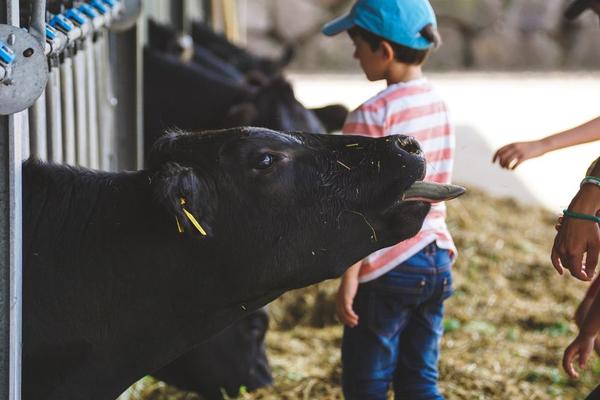
Farm-to-table travel is most rewarding when the meal is only part of the story. The best experiences let you walk the fields, meet the people growing the ingredients, taste something at peak season, and understand why a place produces food the way it does. That is what separates genuine farm to table tourism from simply booking a restaurant that lists local suppliers.
Agritourism is more widespread in the United States than many travelers realize. USDA data from the 2022 Census of Agriculture show that farms and ranches generated about $1.26 billion from agritourism and recreational services, with activity reported in a majority of U.S. counties. Memorable food experiences are available far beyond famous culinary cities.
Hudson Valley, New York: See farming and cooking together
About 30 miles north of New York City, Stone Barns Center for Food & Agriculture offers a clear example of how agriculture and cooking can be experienced together. Visitors can explore the grounds, see growing spaces and historic barns, and join programs led by farmers and cooks. The center also works closely with its partner restaurant, Blue Hill at Stone Barns.
This is a strong choice for travelers who want more than a tasting. The appeal is seeing the connection between soil, livestock, crops, culinary research, and the final plate. Stone Barns also has a cafeteria and market with seasonal farm products and items from regional producers.
Vermont: Build a trip around a working farm stay
Vermont is especially well suited to travelers who want to wake up where food is produced. Farm stays range from simple rural lodging to polished inns on historic agricultural properties. Depending on the farm, guests may collect eggs, meet livestock, learn about cheesemaking or maple production, or simply watch daily farm routines.
Vermont Tourism highlights places such as Liberty Hill Farm, where lodging is tied to an active cattle farm, and the Inn at Shelburne Farms, which combines accommodations with a cheesemaking farm and on-site farm-to-table dining. These experiences make breakfast or dinner more meaningful because the landscape outside is part of the supply chain.
Spring maple season, summer produce, and autumn apple harvest each create a different reason to visit. For a longer rural itinerary, best farm stays in America would be a natural next step.
Willamette Valley, Oregon: Pair vineyards with farm lodging
The Willamette Valley is known for wine, but food and wine travel becomes richer when vineyard visits are combined with farm lodging and local agriculture. Travel Oregon lists farm and ranch stays across the state, including Abbey Road Farm near Carlton, where guests can stay in converted grain-silo suites overlooking a vineyard and walk to the property’s winery and tasting room.
This kind of stay changes the pace of a wine trip. Instead of driving from tasting room to tasting room, you can spend more time in one agricultural landscape and notice how wine, breakfast, produce, and seasonality fit together. Travelers planning a broader route can connect it with a USA wine country travel guide focused on regional food.
California: Follow the harvest, not just restaurant lists
California’s agricultural range makes it ideal for a harvest-led itinerary. Farms, ranches, orchards, and vineyards across the state offer produce picking, farm tours, tastings, and seasonal events. Visit California continues to highlight hands-on agritourism where travelers can learn directly about farming and food production.
The practical trick is to plan around what is actually being harvested. A strawberry farm in spring, a stone-fruit orchard in summer, or a vineyard during harvest can offer a stronger sense of place than trying to fit every famous food stop into one trip. Check the farm’s own calendar before booking because harvest timing can shift with weather.
Hawaii: Taste crops that rarely grow on the mainland
Hawaii offers some of the most distinctive farm-to-table travel experiences in the country because its tropical agriculture differs so much from the continental United States. Farm tours can focus on coffee, cacao, macadamia nuts, vanilla, tropical fruit, honey, goat cheese, and other island-grown products. On the Island of Hawaii, the Kona and Ka’u coffee regions are especially well known for farm and mill visits.
A good coffee or cacao tour does more than provide samples. It can show how a crop is harvested, fermented, dried, roasted, or processed before becoming something familiar in a cup or chocolate bar. That transformation makes Hawaii particularly rewarding for travelers interested in how agricultural technique shapes flavor.
How to plan a genuinely farm-to-table trip
The strongest itineraries are built around participation rather than consumption alone. When comparing options, ask whether you will be able to see, learn about, or interact with the agriculture behind the food.
- Choose a working farm, ranch, vineyard, orchard, creamery, or producer when possible.
- Look for tours, harvest activities, workshops, tastings, or meals connected to what is produced on site.
- Book seasonal farm stays and harvest weekends early.
- Confirm footwear, weather, accessibility, and age requirements before visiting a working property.
- Leave breathing room in the schedule rather than stacking several timed reservations.
For example, a two-night Vermont trip might include an afternoon farm check-in, a hands-on morning activity, a locally sourced dinner, and a nearby orchard or maple producer the next day. That creates a coherent journey through the local food system rather than a collection of unrelated meals. A culinary road trips in the USA guide can help connect several agricultural regions into one route.
FAQ
What is a farm-to-table travel experience?
It connects visitors directly with agriculture and local food production. Examples include working farm stays, vineyard tours, orchard visits, cheesemaking demonstrations, harvest events, farm dinners, and tastings held where ingredients are grown or produced.
What is the difference between agritourism and farm-to-table dining?
Agritourism is broader. It includes recreational, educational, and hospitality activities on farms and ranches, such as tours or overnight stays. Farm-to-table dining focuses on meals made with locally or directly sourced ingredients. Many strong trips combine both.
When is the best time for farm-to-table tourism in the USA?
Late spring through autumn offers the widest range of harvest activities in much of the country, but timing varies by region. Vermont maple experiences peak earlier, while Hawaii’s tropical agriculture provides options throughout the year. Check individual farms for current seasonal schedules.
Are farm stays suitable for families?
Many are, especially properties offering animal visits, pick-your-own produce, or educational activities. A working farm can include uneven ground, machinery, electric fencing, and animals, so families should review each property’s rules and supervision requirements before booking.
Choose the experience before the destination
The most memorable farm-to-table trips begin with a question: what do you want to understand by the time you leave? If the answer is cheesemaking, vineyard life, maple sugaring, tropical crops, or the daily rhythm of a working farm, choose a destination that lets you get close to that process. From the Hudson Valley to Vermont, Oregon, California, and Hawaii, agritourism USA offers a way to taste regional food with its landscape, season, and producers still attached.