

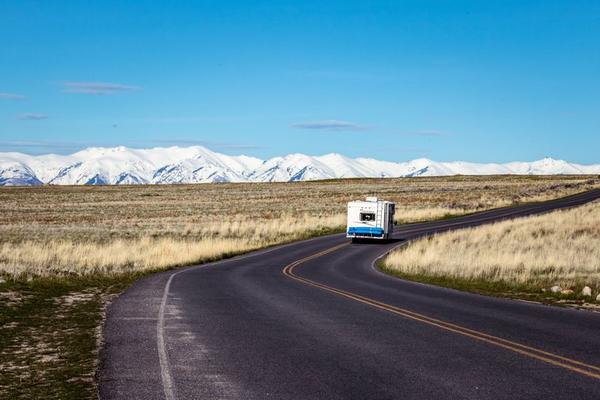
RV travel promises the freedom to wake up near a mountain trail, cook breakfast beside a lake, and change direction when the weather turns. For a first-time traveler, that freedom works best with a realistic plan. An RV is both transportation and accommodation, so routes, campground bookings, fuel, water, power, and vehicle size all affect the trip. This RV road trip planning guide covers the decisions that matter most without turning your holiday into a rigid timetable.
Start With the Shape of the Trip
Before comparing vehicles or plotting scenic stops, decide what kind of experience you want. A relaxed seven-day loop is different from a cross-country drive with a new destination every night. Beginners usually enjoy a shorter route with two or three bases because repeated setup and packing can quickly become tiring.
Choose one main purpose, such as national parks, beaches, small towns, or quiet camping. Protect the first and last days from overplanning because pickup, groceries, traffic, and returning the vehicle often take longer than expected.
Choose an RV You Can Drive and Live In
The biggest RV is not automatically the most comfortable choice. A large motorhome may offer more storage and sleeping space, but it can be harder to park, fuel, and maneuver through older campgrounds. A compact campervan or small Class C motorhome is often easier for a first time RV trip, especially for two adults.
Check the details before booking
Confirm the vehicle’s height, length, width, fuel type, tank capacities, generator rules, mileage allowance, and deposit. Ask what is included, including kitchen equipment, bedding, propane, hoses, electrical adapters, and roadside assistance. Useful RV rental tips include photographing the vehicle at pickup, testing every system, and requesting a demonstration of the water, power, toilet, awning, and dumping procedures.
Read the insurance terms rather than assuming another policy covers the RV. Check deductibles, excluded damage, additional-driver fees, towing coverage, and unpaved-road restrictions.
Build a Route Around RV Reality
Standard navigation apps can send a tall vehicle toward low clearances, tight turns, steep grades, or restricted roads. Record the RV’s full dimensions and use an RV-aware routing tool, then compare the route with official park and highway information. Keep a written height reminder near the dashboard.
For comfortable RV trip planning, think in driving hours rather than miles. A 250-mile day may feel easy in a car but demanding in a motorhome once slower speeds, fuel stops, groceries, and campsite check-in are included. Many beginners are happier with roughly three to four hours of driving on travel days and occasional two-night stays.
Plan a primary route and a backup
Weather, closures, construction, or a full campground can change the day. Save one alternative overnight stop for each route section. Download maps and keep reservation details available offline.
Imagine a six-night loop beginning in Las Vegas with stops near Zion and the Grand Canyon. Instead of driving between major viewpoints every day, spend two nights near each destination and keep the final night close to the rental return location. This leaves time for park shuttles, food stops, and unexpected delays without risking a late return.
Reserve Campsites That Fit Your Vehicle
Campground availability is not enough; the site must fit the RV and provide the services you need. Check maximum vehicle length, site access, pad type, generator hours, pet rules, check-in time, and whether the site is back-in or pull-through. National park roads and campgrounds can have stricter size limits than nearby private RV parks.
Understand the difference between full hookups, partial hookups, and dry camping. Full hookups generally include electricity, water, and sewer. Partial hookups may omit sewer, while dry camping provides no utility connections. A beginner can enjoy any option, but tank capacity and battery use matter more without hookups.
Popular RV road trip routes often require early reservations, especially during holidays and peak seasons. Federal campsites can be searched through Recreation.gov, but each facility has its own release dates, rules, and cancellation terms. Read the individual listing rather than relying only on the search summary.
Create a Complete, Flexible Budget
The rental rate is only the starting point. Add taxes, insurance, preparation fees, mileage charges, generator use, campground fees, fuel, propane, tolls, parking, groceries, dump-station charges, and cleaning costs. Keep a contingency amount for a changed route, an extra night, or minor supplies.
To estimate fuel, take the total route mileage, add about 10 percent for local driving and detours, divide by the expected miles per gallon, and multiply by a realistic fuel price. Hills, wind, traffic, and vehicle load can reduce fuel economy, so avoid budgeting from the most optimistic figure.
Pack and Drive With the RV’s Systems in Mind
Bring layers, rain protection, sturdy shoes, water bottles, a flashlight, charging cables, food, and personal medications. Keep the load modest, secure heavy items, and clear loose objects before driving.
Before moving, check tires, mirrors, lights, steps, storage doors, windows, roof vents, the awning, water connections, and power cable. Inside, latch cabinets, secure the refrigerator, clear the counters, and confirm that passengers are seated with belts fastened.
Make the First Day Deliberately Easy
Do not schedule a long mountain drive immediately after pickup. Use the first afternoon to learn the RV, stock food, practice turning and parking, and stay at a campground within an easy drive. Arrive before dark so you can identify the site, level the vehicle, and connect utilities without rushing.
At each stop, one person can guide from outside while the driver backs in, using agreed hand signals and staying visible in the mirror. If communication is lost, stop. Slow, calm setup is safer than trying to hurry for waiting campers.
FAQ
How far should beginners drive each day in an RV?
There is no universal limit, but three to four hours of actual driving is a comfortable starting point for many beginners. Add time for fuel, meals, traffic, grocery stops, and campsite setup.
Do I need to book every campground in advance?
Reserve high-demand destinations and weekends in advance. You can leave flexibility in less popular areas, but identify legal backup campgrounds rather than assuming overnight parking is allowed anywhere.
What is the easiest RV for a first trip?
A smaller campervan or Class C motorhome is often easier to maneuver than a large Class A vehicle. The best choice still depends on passenger count, sleeping needs, bathroom preferences, and driving confidence.
Can ordinary map apps plan safe RV road trip routes?
They can help with general navigation, but they may not account for vehicle height, weight, length, or propane restrictions. Use RV-specific routing and verify critical roads with official sources.
Leave Space for the Trip to Breathe
The best RV plans are detailed where mistakes are costly and flexible where discovery is part of the fun. Know your vehicle, reserve correctly sized sites, budget beyond the rental price, and keep driving days manageable. With those foundations in place, you can spend less time solving avoidable problems and more time enjoying the comfort and freedom that made you choose an RV road trip.