

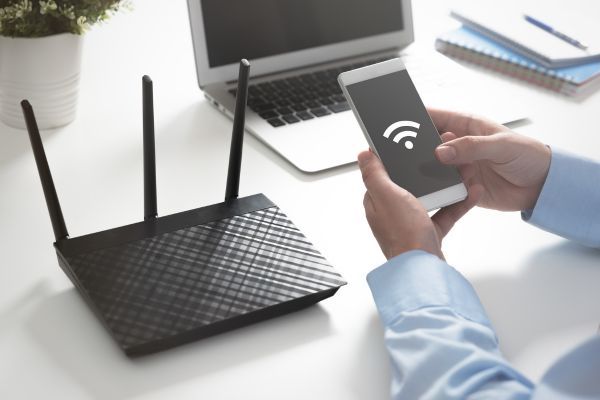
Reliable internet has quietly become one of the most important parts of modern travel. It affects how people navigate unfamiliar cities, communicate with family, upload work files, stream entertainment, and even order transportation after landing in a new country. A weak hotel connection or unreliable public Wi-Fi can turn a smooth trip into a frustrating one surprisingly quickly.
That growing dependence on connectivity explains why travel router reviews have become increasingly common among frequent travelers, digital nomads, remote workers, and even casual vacationers who simply want a more stable online experience while away from home.
Travel routers used to feel like highly technical gadgets meant only for IT professionals or hardcore travelers. Today, they have become far more mainstream. Small enough to fit into a backpack pocket, these devices can create private wireless networks, improve security on public Wi-Fi, and connect multiple devices through a single hotel login.
For many travelers, the appeal is less about advanced technology and more about reducing stress. Good connectivity has become part of modern travel comfort in the same way power banks and noise-canceling headphones gradually became essentials.
Why Hotel Wi-Fi Often Feels So Frustrating
Most travelers have experienced the strange unpredictability of hotel internet. One hotel advertises “high-speed Wi-Fi” only for guests to struggle loading emails. Another limits the number of devices allowed per room. Some networks constantly disconnect, while others require repeated login screens every few hours.
Part of the issue comes from how shared networks operate. Hotels, airports, and public spaces often have dozens or hundreds of people using the same connection simultaneously. Bandwidth gets stretched thin, especially during busy hours.
Security is another concern. Public Wi-Fi networks are convenient, but they are not always secure. Travelers working remotely or accessing sensitive accounts often worry about exposing personal data on unfamiliar networks.
Travel routers help address some of these problems by creating a more controlled connection environment. Instead of connecting every phone, laptop, tablet, and streaming device individually to hotel Wi-Fi, travelers can connect the router once and then use their own private network for everything else.
It sounds like a small difference, but frequent travelers often describe it as surprisingly useful.
The Rise of Remote Work Changed Travel Technology
The popularity of travel routers grew significantly as remote work became more common. A decade ago, most travelers mainly needed internet for occasional browsing or messaging. Today, many people work full-time while traveling.
Video calls, cloud storage, VPN access, and large file transfers place far greater demands on internet stability than casual vacation browsing ever did.
This shift changed what travelers expect from connectivity. Weak hotel Wi-Fi is no longer just annoying; for some people, it directly affects their ability to work.
Travel router reviews increasingly reflect this reality. Travelers now compare routers not only for portability but also for stability, security features, VPN compatibility, and support for multiple connected devices.
The modern traveler often carries several internet-dependent devices at once. Phones, tablets, laptops, smartwatches, cameras, and portable streaming devices all compete for connections.
A travel router simplifies that environment in ways many travelers only fully appreciate after using one consistently.
Small Devices With Surprisingly Big Roles
One interesting thing about travel routers is how tiny many of them are. Some are barely larger than a phone charger, yet they perform tasks that used to require much larger networking equipment.
This portability matters because travel gear competes constantly for luggage space. Travelers generally avoid carrying bulky devices unless the benefits clearly justify it.
Many travel routers now run on USB power, allowing them to operate through power banks, laptop ports, or universal adapters. That flexibility makes them easier to use in airports, trains, cafes, or temporary accommodations.
The best travel router reviews often emphasize ease of setup just as much as technical performance. Travelers do not want to spend forty minutes configuring network settings after a long international flight.
Convenience matters. Devices that work reliably with minimal effort tend to become favorites quickly.
Privacy Concerns Are Driving Interest
Public Wi-Fi has always involved a tradeoff between convenience and security. Most travelers know this at least vaguely, even if they are not cybersecurity experts.
Connecting directly to open networks in airports, hotels, cafes, or coworking spaces can expose devices to certain risks, especially if networks are poorly secured.
Travel routers help create a layer of separation between personal devices and public internet infrastructure. Some travelers pair them with VPN services for additional privacy, particularly when working remotely or handling sensitive information abroad.
This does not make travelers invisible online, nor does it eliminate all security risks. Still, many people feel more comfortable using a private network rather than connecting every device individually to unfamiliar systems.
The increase in remote work, digital banking, and cloud-based services has made travelers more aware of online privacy than they were years ago.
Interestingly, many people only begin thinking seriously about internet security once they start traveling frequently.
Connectivity Across Multiple Devices
Modern travel involves far more connected devices than people carried even ten years ago.
A traveler today may arrive at a hotel with a laptop, smartphone, tablet, e-reader, smartwatch, wireless earbuds, and portable streaming device. Managing internet access for all those devices individually can become tedious.
Some hotels limit Wi-Fi access by device count, charging additional fees for multiple connections. Travel routers solve this problem neatly because the hotel network sees only the router itself.
For families or groups, this becomes even more useful. Several people can share one travel router connection without repeatedly entering hotel login details across multiple devices.
Travel router reviews frequently highlight this convenience because it addresses one of the small frustrations travelers encounter repeatedly.
Good travel technology often succeeds by quietly removing repetitive annoyances rather than adding flashy new features.
Speed Is Important, but Stability Often Matters More
Travelers naturally care about internet speed, but stability may actually matter more during real-world travel.
A connection that occasionally disconnects during video calls or cloud uploads can become more frustrating than a slightly slower but stable network.
Many travel router reviews focus heavily on maximum speed numbers, yet travelers often care more about consistent performance across different environments. Airports, hotels, rental apartments, trains, and cafes all present unique connectivity challenges.
The strongest travel routers tend to perform reliably across a wide range of conditions rather than excelling only in ideal setups.
This becomes especially noticeable for people working remotely while traveling internationally. A stable connection matters far more during client meetings or deadlines than peak download speeds during a speed test.
Battery Life and Portability Influence Real-World Use
Some travel routers include built-in batteries, while others require constant external power. Both approaches have advantages.
Battery-powered models offer flexibility during flights, trains, or outdoor travel situations where outlets are limited. However, they may add slightly more weight and require recharging.
USB-powered routers are often smaller and lighter, making them appealing for minimalist travelers.
Portability shapes how often travelers actually use these devices. A router left buried in luggage because it feels inconvenient loses much of its practical value.
Experienced travelers often prefer technology that integrates smoothly into routines rather than equipment requiring constant management.
That philosophy appears repeatedly in travel router reviews. Simplicity frequently wins over overly complicated feature lists.
Travel Routers and Streaming Culture
Streaming habits have changed travel expectations too.
People increasingly travel with streaming sticks, portable entertainment devices, or gaming systems. Hotel Wi-Fi networks sometimes struggle with these devices, especially when login portals interrupt connections repeatedly.
Travel routers can simplify streaming setups because devices connect to the traveler’s private network instead of interacting directly with hotel systems.
For long-term travelers or digital nomads renting apartments abroad, this becomes especially useful. Temporary accommodations may offer inconsistent internet setups, and travel routers create a more familiar network environment across locations.
The line between home technology and travel technology continues to blur as people spend more time connected while moving between places.
Not Every Traveler Needs One
Despite the growing popularity of travel routers, they are not necessary for every traveler.
Someone taking short vacations with minimal device use may never feel the need for dedicated networking equipment. Many travelers remain perfectly satisfied using standard hotel Wi-Fi or mobile data plans.
Travel routers become most useful for people who travel frequently, work remotely, prioritize internet security, or carry multiple connected devices.
Like many travel tools, their value depends heavily on travel style.
Some travelers prioritize convenience and simplicity above all else. Others enjoy optimizing every aspect of connectivity and digital workflow. Neither approach is wrong.
The important thing is understanding what problems a travel router actually solves before deciding whether it fits a specific travel routine.
The Quiet Shift Toward Smarter Travel Tech
Travel technology has evolved in subtle ways over the past decade. Travelers increasingly focus less on flashy gadgets and more on tools that reduce friction.
Portable chargers became normal because people depend heavily on phones. Compression socks became common because travelers wanted more physical comfort. Travel routers are following a similar path.
They solve practical issues that repeatedly appear during modern travel: unstable Wi-Fi, security concerns, multiple devices, and inconsistent hotel networks.
What makes them interesting is that many travelers initially consider them unnecessary—until they experience situations where connectivity problems genuinely affect comfort, productivity, or peace of mind.
After that, they often become permanent parts of carry-on bags.
Conclusion
Travel router reviews continue gaining attention because reliable internet has become deeply connected to how people experience travel today. From remote work and streaming to navigation and online security, travelers rely on stable connectivity more than ever before.
Travel routers offer a practical way to improve that experience by creating private networks, simplifying device management, and adding flexibility across changing travel environments. They are not essential for every traveler, but for many people, they quietly solve recurring frustrations that standard hotel Wi-Fi cannot always handle well.
As travel becomes increasingly digital, small connectivity tools are taking on larger roles behind the scenes. And sometimes, the technology that matters most during a trip is not the most exciting device in the bag. It is simply the one that makes everything else work more smoothly.