

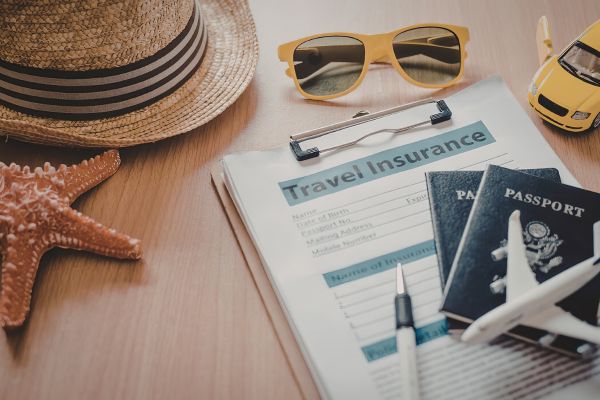
Travel has a way of making everything feel lighter—the anticipation, the packed bags, the quiet thrill of stepping into somewhere new. But even the most carefully planned trip can take an unexpected turn. Flights get delayed, luggage disappears, and sometimes, health issues show up uninvited.
That’s where understanding practical travel insurance tips becomes less about caution and more about confidence. It’s not just a policy—it’s a quiet backup plan that lets you enjoy the journey without constantly worrying about what could go wrong.
Understanding What Travel Insurance Really Covers
Before diving into specific travel insurance tips, it helps to know what you’re actually buying. Travel insurance isn’t one-size-fits-all. It’s a bundle of protections that can include trip cancellations, medical emergencies, lost belongings, and even evacuation in serious situations.
The key is recognizing that not all policies cover everything equally. Some prioritize medical coverage, while others focus more on cancellations or delays. Reading the coverage details carefully may not feel exciting, but it’s where most travelers either gain peace of mind—or miss something important.
A policy that looks comprehensive at first glance might exclude certain activities or have strict conditions. Knowing what’s included, and just as importantly what’s not, is the foundation of making a smart choice.
Matching Coverage to Your Travel Style
One of the most overlooked travel insurance tips is this: your policy should reflect how you travel, not just where you’re going.
A short city break has very different risks compared to a long backpacking journey or an adventure trip. If your plans involve hiking, diving, or any activity that carries higher risk, standard coverage may not be enough. Many travelers only realize this after reading the fine print—often too late.
Even the pace of your trip matters. A tightly scheduled itinerary with multiple flights and connections carries a higher chance of disruptions. On the other hand, a slow, flexible journey may reduce certain risks but still require strong medical coverage.
The goal is simple—choose protection that mirrors your actual experience, not an idealized version of your trip.
Paying Attention to Medical Coverage Limits
Medical coverage is often the most critical part of any travel insurance policy. Healthcare costs abroad can vary wildly, and in some places, even basic treatment can be surprisingly expensive.
Among the most practical travel insurance tips is to check the coverage limit carefully. A low-cost policy might seem appealing, but if it caps medical expenses at a modest amount, it may not offer real protection in a serious situation.
It’s also worth noting whether emergency evacuation is included. In remote destinations, getting to a proper medical facility can cost far more than the treatment itself.
Understanding these limits doesn’t mean expecting the worst—it simply ensures that if something does happen, you’re not dealing with financial stress on top of everything else.
Reading the Fine Print Without Skipping
Most travelers skim through policy documents, focusing only on the highlights. It’s understandable—insurance language isn’t exactly inviting. Still, this is where some of the most valuable travel insurance tips come into play.
Exclusions are often buried in the details. Pre-existing medical conditions, certain destinations, or even specific scenarios like unattended luggage might not be covered. These details rarely stand out until you need them.
Taking a few extra minutes to read carefully can prevent unpleasant surprises later. It’s less about memorizing every clause and more about spotting anything that could affect your trip.
Considering Trip Cancellation and Interruption Coverage
Plans change. Sometimes it’s minor—a delayed flight or a missed connection. Other times, it’s more serious, like illness or an emergency back home.
Trip cancellation and interruption coverage can help recover costs when plans fall apart. Among practical travel insurance tips, this is one area where flexibility matters. Some policies only cover very specific reasons for cancellation, while others offer broader protection.
Understanding what qualifies as a valid reason is important. A vague sense of coverage can lead to false assumptions. Knowing exactly when you’re protected helps you make better decisions if plans shift unexpectedly.
Evaluating Coverage for Personal Belongings
Lost luggage and stolen items are more common than most travelers expect. While it’s never pleasant, having coverage for personal belongings can ease the impact.
One of the more realistic travel insurance tips is to check how items are valued. Policies often have limits per item, not just overall coverage. That means expensive electronics or jewelry may only be partially reimbursed.
Keeping receipts or documentation for valuable items can also make a difference if you need to file a claim. It’s a small habit that can save a lot of frustration later.
Timing Your Purchase Thoughtfully
When you buy travel insurance can matter almost as much as what you buy. Many travelers wait until the last minute, assuming coverage begins immediately and applies to everything.
However, some benefits—especially trip cancellation—may only apply if the policy is purchased soon after booking your trip. This is one of those subtle travel insurance tips that often goes unnoticed.
Buying earlier doesn’t necessarily cost more, but it can expand your protection window. It’s a simple step that aligns your coverage more closely with your travel plans.
Understanding Deductibles and Claim Processes
Insurance isn’t just about coverage—it’s also about how claims are handled. Deductibles, documentation requirements, and processing times all play a role in your experience.
Among the more practical travel insurance tips is to understand how much you’ll need to pay out of pocket before coverage kicks in. A lower premium might come with a higher deductible, which changes the overall value of the policy.
Equally important is knowing what’s required to file a claim. Keeping records, receipts, and reports can make the process smoother. It’s not something anyone looks forward to, but being prepared can make a difficult situation a little easier to manage.
Checking Coverage for Unexpected Delays
Travel delays are almost inevitable at some point. Weather, technical issues, or logistical problems can disrupt even the best-laid plans.
Some policies include compensation for delays, covering expenses like meals or accommodation. These details might seem minor compared to medical coverage, but they can significantly improve your experience during disruptions.
One of the more practical travel insurance tips is to look beyond major emergencies and consider everyday inconveniences. Small protections can make a big difference when things don’t go as planned.
Avoiding Common Mistakes Travelers Make
Even seasoned travelers can overlook important details when choosing insurance. A common mistake is assuming that all policies are similar, leading to rushed decisions.
Another frequent issue is underestimating the importance of reading policy terms. It’s easy to rely on general assumptions, but insurance is full of specific conditions that can affect your coverage.
Taking the time to compare options thoughtfully, rather than choosing the cheapest or most convenient, often leads to better outcomes. It’s not about finding the perfect policy—just one that fits your needs realistically.
Keeping Documentation Accessible While Traveling
Once your policy is in place, it’s important to keep relevant information accessible. This includes policy numbers, emergency contact details, and any instructions provided by the insurer.
One of the simplest travel insurance tips is to store this information both digitally and physically. In stressful situations, having quick access can save valuable time.
It’s a small detail, but one that can make navigating an unexpected situation far less overwhelming.
Balancing Cost with Real Value
Price often plays a major role in decision-making. It’s natural to look for affordable options, especially when planning a trip with multiple expenses.
However, the cheapest policy isn’t always the best value. A slightly higher premium might offer significantly better coverage, making it a more practical choice in the long run.
Among all travel insurance tips, this one stands out—focus on value rather than just cost. A policy that aligns with your needs can provide reassurance that goes far beyond its price tag.
Conclusion: Traveling with Confidence, Not Just Coverage
Travel insurance isn’t something most people think about until they need it. Yet, when chosen thoughtfully, it becomes an invisible companion throughout your journey—quietly supporting you in the background.
These travel insurance tips aren’t about adding complexity to your plans. They’re about understanding your options, asking the right questions, and making choices that reflect how you actually travel.
In the end, it’s not about expecting things to go wrong. It’s about knowing that if they do, you’re ready to handle them—so you can focus on what really matters: the experience itself.